Munich is a multifaceted city—ranging from bustling urban life to quiet residential neighborhoods with a village-like atmosphere. Here you’ll find everything you need to know about the 25 boroughs of the Bavarian capital.
Table Of Contents
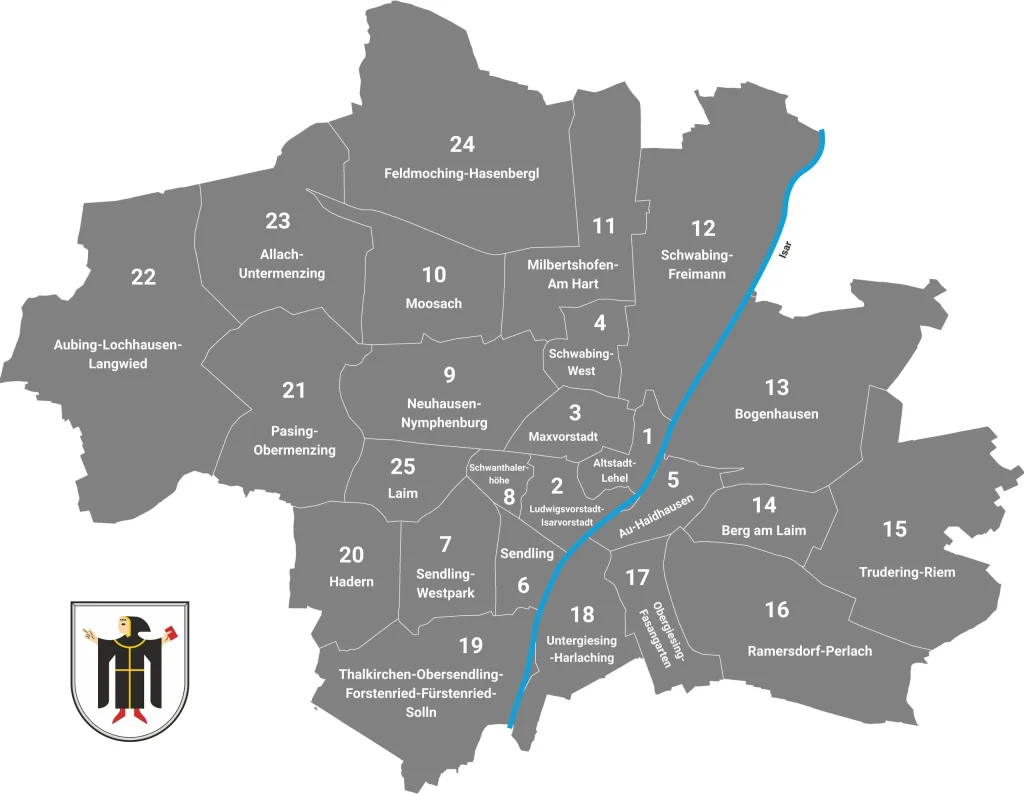
Boroughs with Number
Area, inhabitants, population density (rounded), as of Dec 31, 2025.
Base rent (excl. utilities), as of Q2 2026.
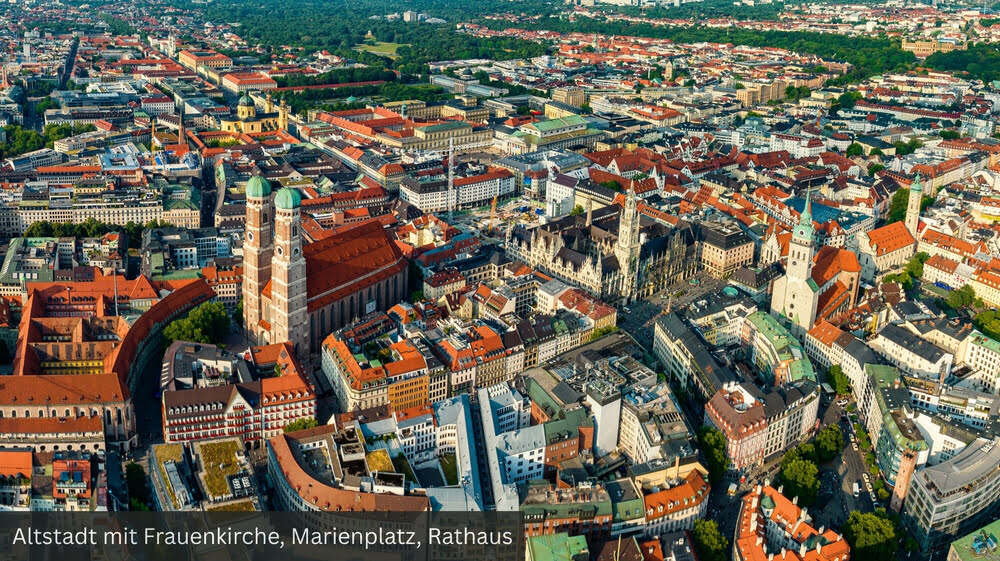
(1) Altstadt-Lehel
Area (in ha): 314
Inhabitants: 20 600
Population Density (inh. / ha): 66
Ø Base rent (€/m²): 25,11
The Altstadt is the historic center of Munich featuring sights such as Marienplatz and Maximilianstraße. Long-established residents and a typically urban population with younger, working single and two-person households predominate. In Lehel, Munich's oldest suburb, families with children are also encountered more frequently. The number of jobs in the second smallest borough significantly exceeds the number of residents.
(2) Ludwigsvorstadt-Isarvorstadt

Area (in ha): 440
Inhabitants: 50 000
Population density: 114
Ø Base rent (€/m²): 24,40
Lively borough bordering the Altstadt to the south, with the Glockenbachviertel as a trendy hotspot and numerous cultural institutions such as the Deutsches Theater, the Gärtnerplatztheater and the Deutsches Museum. The borough is characterized by retail, restaurants and hotels as well as a large number of well-kept old historical buildings. Rents are rising due to modernization and new developments on former commercial sites, which is changing the social structure. The population is getting younger and there are many single and two-person households, especially in the Glockenbach and Schlachthof neighborhoods.
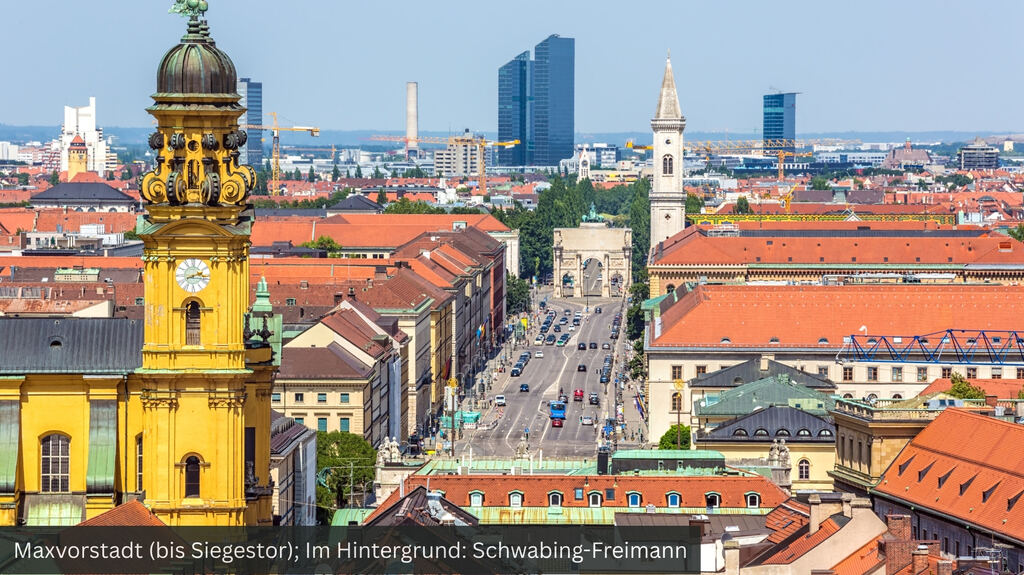
(3) Maxvorstadt
Area (in ha): 430
Inhabitants: 52 500
Population density: 122
Ø Base rent (€/m²): 23,86
Maxvorstadt is home to numerous cultural institutions such as museums, art and music academies as well as renowned universities, including LMU and TU Munich. Due to the high number of students (over 100,000), a multiple of the actual residents spend time in the area during the day. The borough is a typical academic and student quarter with many single-person households and small apartments. The age group of 20 to 30-year-olds dominates, while families are less common.
(4) Schwabing-West
Area (in ha): 436
Inhabitants: 69 500
Population density: 159
Ø Base rent (€/m²): 23,70
Former artists' and bohemian borough with many old buildings, restaurants and bars. Schwabing-West is the most densely populated borough in Munich, but also offers large green spaces such as the Luitpoldpark or the "Große Wiese". The borough offers many jobs in public institutions and an above-average number of people of working age. Single and two-person households dominate, while families live mainly in the "Am Ackermannbogen" settlement.
(5) Au-Haidhausen
Area (in ha): 422
Inhabitants: 64 100
Population density: 152
Ø Base rent (€/m²): 23,80
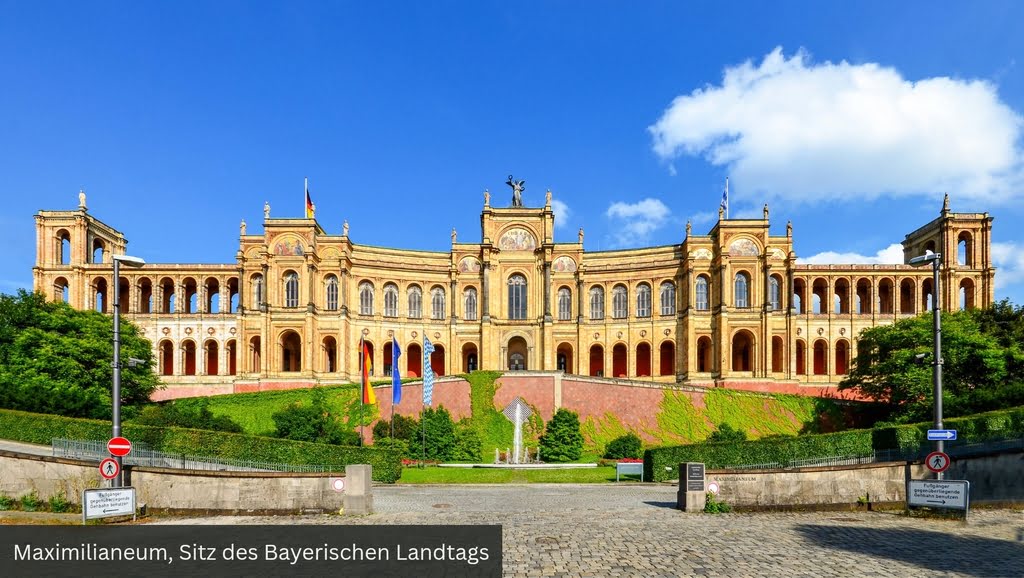
Au-Haidhausen is home to many public institutions such as the Bavarian State Parliament, the Rechts der Isar Hospital and the Social Department of Munich. Accordingly, a large proportion of jobs are in the service and public sectors. Cultural highlights include the Gasteig with the Philharmonic Concert Hall and the Muffathalle. The borough is characterized by a high population density and an above-average rate of employment, although the social structure is changing due to the influx of younger sections of the population. With the annual Auer Dult and the beer tapping at the Nockherberg, a piece of traditional Bavarian culture has been preserved in the Au.
(6) Sendling
Area (in ha): 394
Inhabitants: 41 300
Population density: 105
Ø Base rent (€/m²): 21,24
The northern half of Sendling is characterized by historic working-class housing estates that were once built by cooperatives. In contrast, the large open spaces and recreational areas in the south of the borough provide a balance to the otherwise dense residential areas. In recent years, the increased influx of younger, gainfully employed people has led to an above-average proportion of single-person households, a typical feature of residential areas close to the city center.
(7) Sendling-Westpark
Area (in ha): 781
Inhabitants: 62 600
Population density: 80
Ø Base rent (€/m²): 20,29
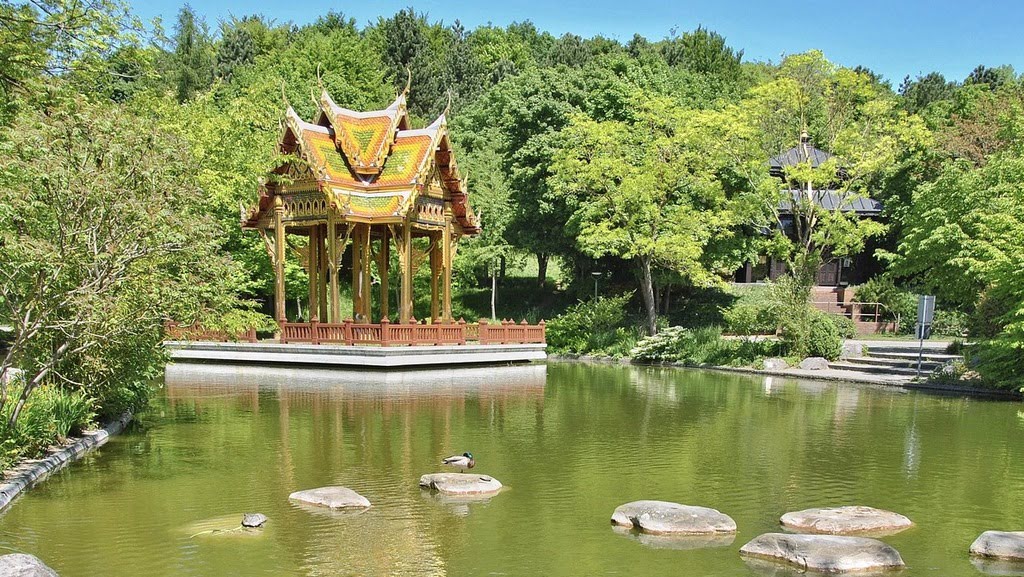
Sendling-Westpark is characterized by residential areas with lots of green spaces and good infrastructure. The residential areas are characterized by apartment buildings and detached and semi-detached houses. The borough is crossed by various major roads, such as the Mittlerer Ring. The diversion of traffic into tunnels has made it possible to create large open and green spaces in recent years. The population structure is characterized by an ageing population, with household sizes corresponding to the Munich average.
(8) Schwanthalerhöhe
Area (in ha): 207
Inhabitants: 29 500
Population density: 142
Ø Base rent (€/m²): 22,16
Schwanthalerhöhe (also known as Westend) is the smallest borough in Munich in terms of area, but has the third-highest population density. Around 1840, high-density working-class neighborhoods were built here. Even today, almost half of the housing stock dates back to before 1919. As in other areas close to the city, many people here live in single-person households. The majority of residents, around two thirds, are of working age.
(9) Neuhausen-Nymphenburg
Area (in ha): 1 291
Inhabitants: 41 300
Population density: 105
Ø Base rent (€/m²): 22,22
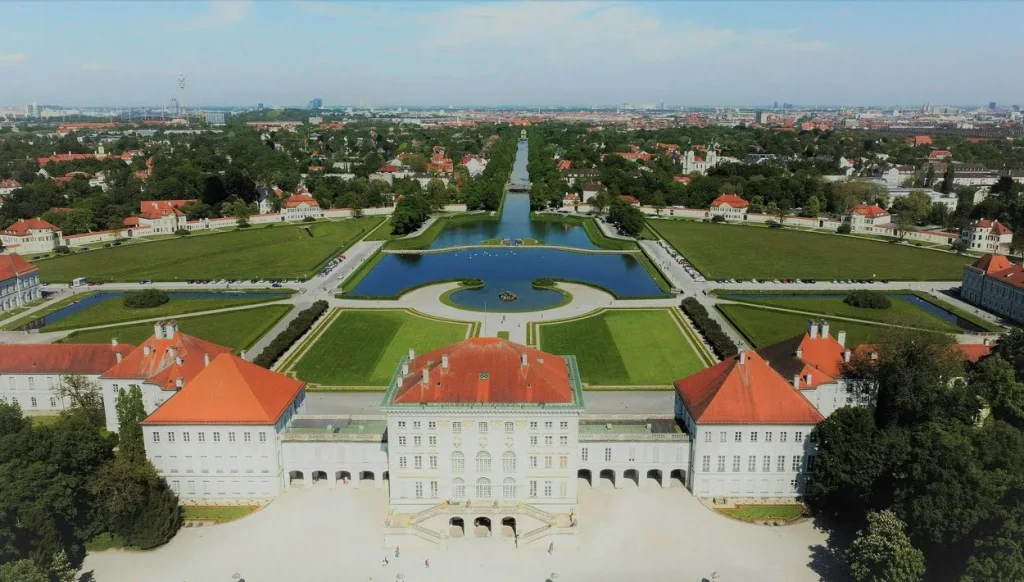
Neuhausen-Nymphenburg stretches from the city center to Nymphenburg Palace in the west. The borough combines urban flair with extensive green spaces such as the Palace grounds, the Botanical Garden and the Hirschgarten. Neuhausen is characterized by old historic buildings from the Wilhelminian era, while a villa neighbourhood has developed near the palace. The social composition of the population is very mixed due to the heterogeneity of the borough.
(10) Moosach
Area (in ha): 1 109
Inhabitants: 56 100
Population density: 51
Ø Base rent (€/m²): 20,01
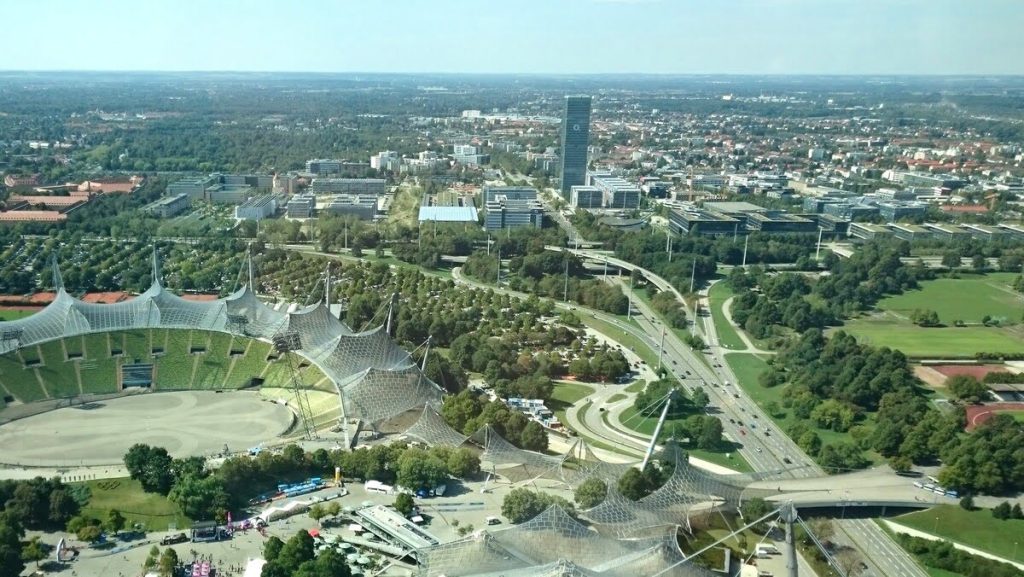
Moosach is characterized by a low residential density with many detached and terraced houses. Moosach is therefore particularly popular with families, which is reflected in the below-average number of single-person households. The borough offers a wide range of shopping facilities, most notably the Olympia shopping center. Public transport connections are very good thanks to the U-Bahn line 3 and the S-Bahn. The borough borders on major roads with considerable transit traffic and corresponding noise pollution.
(11) Milbertshofen-Am Hart

Area (in ha): 1 342
Inhabitants: 77 500
Population density: 58
Ø Base rent (€/m²): 20,71
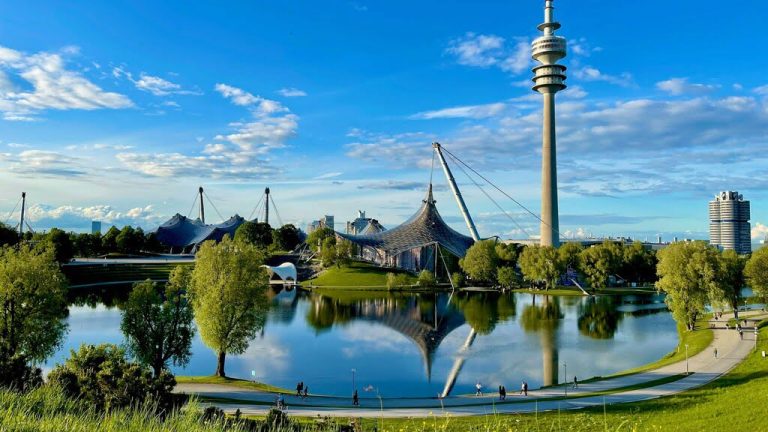
Milbertshofen-Am Hart is divided into two quite different areas: the southern part, Milbertshofen, is mainly characterized by industry and the Olympic Park. Landmarks such as the BMW Tower, BMW Welt, and the Olympic Tower make this part of the city one of Munich’s most recognizable areas. In contrast, the northern part, Am Hart, is dominated by tranquil low-density residential areas, parks, and open spaces. Overall, Milbertshofen-Am Hart is an attractive place for families, which is reflected in the above-average proportion of households with children. The combination of jobs, a wide range of housing options, and good infrastructure makes the borough a popular destination for people from all over the world.
(12) Schwabing-Freimann

Area (in ha): 2 567
Inhabitants: 76 800
Population density: 30
Ø Base rent (€/m²): 21,76
Schwabing-Freimann, the 12th borough of Munich, is a borough of contrasts. Schwabing, once a vibrant artists' quarter, now boasts an urban, international atmosphere with numerous stores and pubs. Its proximity to the universities makes the borough particularly popular with students today. In contrast, Freimann is characterized by single family detached houses and the impressive Allianz Arena. Overall, Schwabing-Freimann combines urban flair with green oases such as the English Garden or Fröttmaninger Heide.
(13) Bogenhausen
Area (in ha): 2 371
Inhabitants: 95 500
Population density: 40
Ø Base rent (€/m²): 21,19
Bogenhausen borders the historic city center in the southwest and extends to the city border in the northeast. While exclusive villa neighborhoods dominate along the Isar, other areas are characterized by large housing complexes. Parkstadt Bogenhausen, one of the first housing estates with high-rise buildings in Munich, marks the beginning of this development. The diversity of settlement structures in Bogenhausen results in a balanced social structure. The proportion of families with children is above the Munich average.
(14) Berg am Laim
Area (in ha): 632
Inhabitants: 47 200
Population density: 75
Ø Base rent (€/m²): 19,83
Berg am Laim is a borough in the east of Munich that is characterized by a mixture of old historic buildings and modern residential complexes. The baroque St. Michael's Church, a landmark of the borough, is particularly well-known. In recent years, Berg am Laim has undergone major changes due to numerous new construction and infrastructure projects. Thanks to good transport connections, including several S-Bahn and U-Bahn stations, the borough is attractive for both families and commuters.
(15) Trudering-Riem
Area (in ha): 2 245
Inhabitants: 77 200
Population density: 34
Ø Base rent (€/m²): 19,36
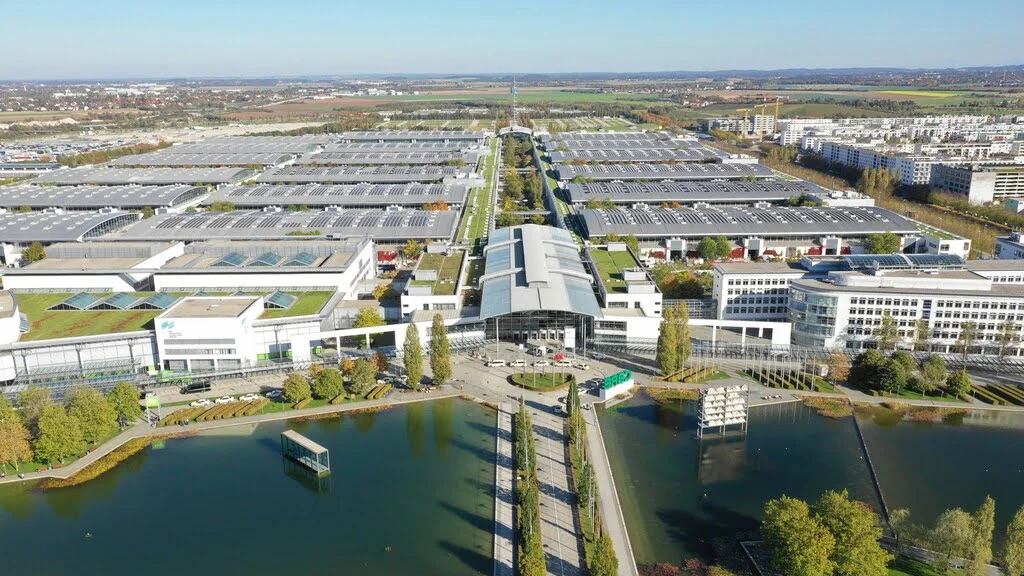
Trudering-Riem is the fifth largest borough in Munich and combines quiet, family-friendly living with a strong economy. While Trudering is characterized by detached and semi-detached houses with lots of green spaces, Riem is primarily known for its “Messestadt”, which was built on the site of the former airport. It is home to the Munich Trade Fair, one of the world's leading trade fair venues. Trudering-Riem has a low population density and the highest proportion of families with children of any borough in Munich.
(16) Ramersdorf-Perlach
Area (in ha): 1 990
Inhabitants: 121 300
Population density: 61
Ø Base rent (€/m²): 19,45
Ramersdorf-Perlach is located in the south-east of the city and stretches from the city border to Ostbahnhof. With over 120,000 inhabitants, it is the most populous borough in Munich. While detached houses dominate in the south of Ramersdorf, there is a denser development of cooperative housing estates towards the north. The Ostpark and Perlach Park are important recreational areas. The borough is characterized by its social diversity, with families with children and senior citizens over the age of 65 being overrepresented.
(17) Obergiesing-Fasangarten
Area (in ha): 572
Inhabitants: 54 500
Population density: 95
Ø Base rent (€/m²): 20,02
Munich's 17th borough is located in the south-east of the city. The building and settlement structure is diverse, with a mixture of detached houses and dense apartment blocks. After the Second World War, Obergiesing experienced a building boom during which three quarters of today's housing stock was built. The Fasangarten, once a hunting ground, is now a popular local recreation area. Apart from the Ostfriedhof cemetery and the Perlacher Forst cemetery, however, there are only few green spaces worth mentioning in the borough.
(18) Untergiesing-Harlaching
Area (in ha): 805
Inhabitants: 54 200
Population density: 67
Ø Base rent (€/m²): 21,17
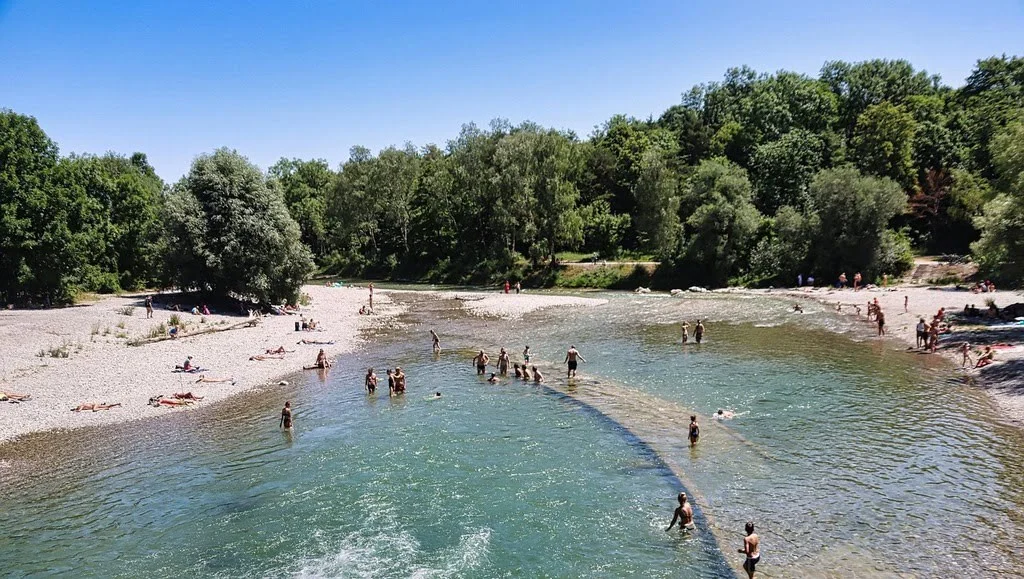
Untergiesing-Harlaching, located in the south-east of Munich, is characterized by different residential structures: on the one hand, there are areas with dense housing blocks reminiscent of a former working-class suburb and, on the other, prestigious villa neighborhoods that belong to the most expensive residential areas in Munich. The borough is also known for its important sports facilities (such as the Grünwalder Stadium), Hellabrunn Zoo and the Flaucher, a popular meeting place at the Isar. The household structure is characterized by middle-aged single and two-person households as well as families with one child.
(19) Thalkirchen-Obersendling-Forstenried-Fürstenried-Solln
Area (in ha): 1 776
Inhabitants: 104 200
Population density: 59
Ø Base rent (€/m²): 19,87
The southern borough with the long name is made up of five very different neighborhoods. It combines urban regions with high-rise buildings (Obersendling) and regions with a rural character such as Solln, which is considered one of the finest residential areas of Munich. Overall, the borough offers many recreational opportunities, a good infrastructure and a high quality of life. The social structure varies strongly across neighborhoods. The proportion of senior citizens is above average.
(20) Hadern
Area (in ha): 922
Inhabitants: 51 800
Population density: 56
Ø Base rent (€/m²): 19,76
Hadern is a borough in the southwest of Munich, known for its quiet, close-to-nature location and the well-known Großhadern hospital. Detached houses dominate in the south, while larger housing complexes were also built after World War II. Subway line 6 provides good transport links to the city center. An above-average number of households with children and people over 65 live in the here. The borough is also attractive for (medical) students due to its location and, by Munich standards, moderate rents.
(21) Pasing-Obermenzing
Area (in ha): 1 650
Inhabitants: 81 800
Population density: 50
Ø Base rent (€/m²): 19,93
Pasing-Obermenzing, the 21st borough of Munich, comprises the formerly independent municipalities of Pasing and Obermenzing. In Pasing, you will mainly find post-war buildings with multi-storey apartments and detached houses. Obermenzing, on the other hand, is a quiet neighborhood with many green spaces and villas. Pasing-Obermenzing thus offers a mixture of urban life in Pasing and an idyllic residential atmosphere in Obermenzing. An above-average number of families with children live in the borough.
(22) Aubing-Lochhausen-Langwied
Area (in ha): 1 650
Inhabitants: 63 200
Population density: 19
Ø Base rent (€/m²): 18,18
The city's largest borough in terms of area also has the lowest population density, which is mainly due to extensive green spaces, forests and agricultural areas in the west and north. Today, Aubing is characterized by multi-storey residential buildings, while Lochhausen and Langwied have largely retained their rural character. Overall, the borough offers a mixture of urban and rural life, with good public transport connection to the city center and at the same time plenty of space for recreation in nature.
(23) Allach-Untermenzing
Area (in ha): 1 545
Inhabitants: 36 200
Population density: 23
Ø Base rent (€/m²): 18,90
Allach-Untermenzing is located in the north-west of Munich. The borough has a high concentration of industry, particularly in Allach, where companies such as Krauss-Maffei-Wegmann, MAN, MTU, Siemens Mobility and T-Systems are based. At the same time, green spaces such as Allacher Forst and Angerlohe provide a counterbalance. The borough is predominantly characterized by low-density residential areas. The proportion of families with children is above average.
(24) Feldmoching-Hasenbergl
Area (in ha): 2 894
Inhabitants: 64 600
Population density: 22
Ø Base rent (€/m²): 19,08
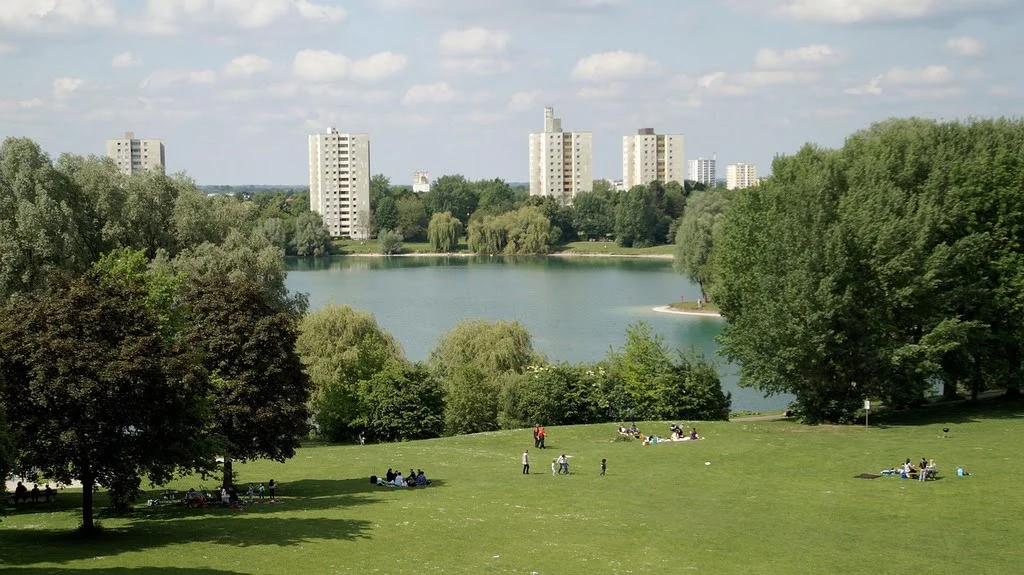
Munich's second largest borough combines rural charm with urban flair. While Feldmoching has retained its rural character, settlements such as Hasenbergl, which were built from 1960 onwards and largely subsidized with public funds, have an urban character and were long considered a social hotspot. However, this has improved in recent years thanks to the improved availability of public and social facilities and the connection to the city center by underground and suburban train. The borough offers a wide range of leisure activities, including the Olympic regatta course and several bathing lakes. In relation to the overall average, family households with children are strongly overrepresented.
(25) Laim
Area (in ha): 529
Inhabitants: 57 500
Population density: 109
Ø Base rent (€/m²): 20,01
Laim is almost entirely a residential area. The borough experienced its growth primarily after it was connected to the suburban rail network in 1894 and later became part of Munich. Today, the area is dominated by high-density multi-storey buildings along the main streets and scattered terraced and detached houses along the side streets. The proportion of single-person households is above average compared to the Munich average.
Greater Munich Area
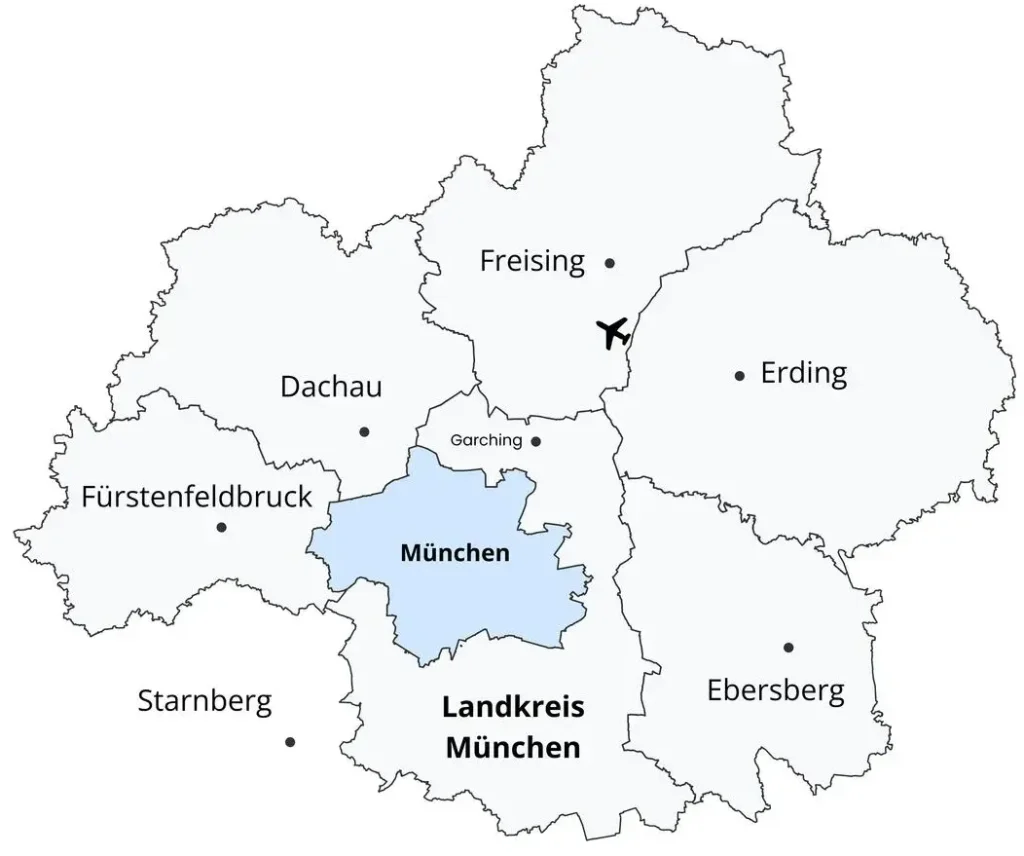
Munich's surrounding area includes the district of Munich as well as bordering districts such as Dachau and Freising in the north, Fürstenfeldbruck in the west as well as Erding and Ebersberg in the east. These regions offer a high quality of life with lots of nature, lakes and rural charm and are usually well connected to Munich's public transportation system. Housing costs here are significantly lower on average than within the city limits, but they are still well above the national average:
Ø Base rent (€/m²)
Germany: 9,23
Munich: 20,28
District of Munich: 17,9
Dachau: 16,92
Fürstenfeldbruck: 15,53
Freising: 14,78
Erding: 14,41
Ebersberg: 14,15
Sources and Photo Credits
Sources:
Immobilienscout24, Mietspiegel Q2 2026, abgerufen am 05.08.2026, Link
Statistisches Taschenbuch, 2026, Link
Photo credits:
Übersichtskarte: Eigene Darstellung (erstellt mit Elementen von Canva)
(1) Canva
(2) Bild von Fich View Studio auf Pexels
(3) Canva
(5) Canva
(7) Nepal-Pagode im Westpark, Bild von Duernsteiner auf Pixabay
(9) Bild von Romi Brown auf Pexels
(10) Bild von Kay_R auf Pixabay
(11) Bild von Hao Zhang auf Unsplash
(12) Canva
(15) Messe München, Bild von Patrick Keller auf Unsplash
(18) Flaucher, Bild von Alexander Fox | PlaNet Fox auf Pixabay
(24) Bild von Matias Luge auf Pixabay
(0) Erstellt mit Daten von OpenStreetMap